其字例句例。與此經首句。毫髮不殊。彼讀曰泰學。此讀曰大學。其亦不公甚矣
글자나 예문의 용례가 이경전의 첫째 구문과 터럭만큼도 다르지 않는데 , 다른 곳에서는 태학이라고 읽고, 여기서는 대학이라고 읽는다는 것은, 너무나 공정하지 않은 것이다.
Because the expression of the word and example sentence do perfectly match the first phrase in this Confucian scripture, it is too inconsistent. In one place, it is read as "Taehak," while here it is read as "Daehak." Such inconsistency is problematic.
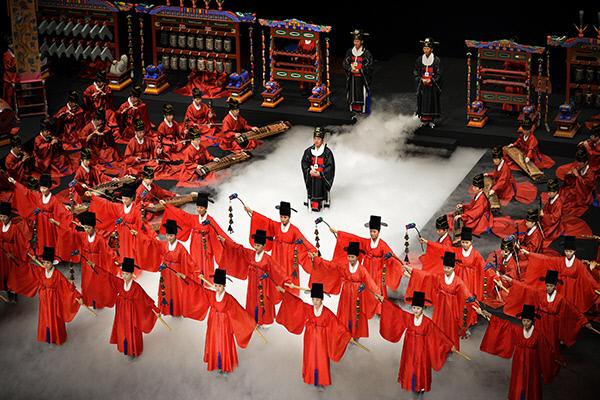
朱子作序。雖以大學之書。爲太學敎人之法。而其實古者太學。敎人之法。敎以禮樂。敎以詩書。敎以弦誦。敎以舞蹈。敎以中和.敎以孝弟
주자가 자신이 쓴 <대학의 서문>을 지을 때, 대학이라는 책을 태학(교육기관, 역자주)에서 사람을 가르치는 법이라고 하였지만 ,실제로 그 옛날의 태학에서 사람을 가르치는 법은 예와 악, 시경과 서경,그리고 현악기연주와 낭송, 춤과 중화,그리고 효제를 가지고 사람을 가르 쳤다.
Although Zhu Xi, in his Foreword to the Daxue, stated that the Daxue was a textbook used to educate students at the TaehakIn., In reality, the curriculum at the Taehak focused on ritual propriety and music, the Book of Odes and the Book of Documents, string performance and poetic recitation, dance, the cultivation of harmony, as well as filial piety and fraternal love.
역자주)
현악기 연주와 낭송; 한자 원문인 현송(弦誦)이라는 단어를 풀어 쓴 것이다. 弦현은 현악기를 연주하는 것을 의미하고 誦송은 시를 소리내어 읽는 것을 의미한다. 시의 운율에 감정이 더해지면 낭송이 되고 이러한 낭송에 다시 현악기의 반주가 더해지게 되면 현송弦誦이 된다.
Playing string instruments and recitation; this is an expanded version of the original Chinese word Hyeonsong (弦誦). Hyeon (弦) means playing string instruments, and Song (誦) means reading poetry aloud. When emotion is added to the rhythm of a poem, it becomes recitation, and when the accompaniment of string instruments is added to such recitation, it becomes Hyeonsong (弦誦).
논어의 기록에도 弦歌(현가) 라는 표현이 확인 되고 있다. 초기에는 詩시를배울때, 弦樂(현악)에 맞추어 부르는 것을 弦歌(현가)라했으며,,음악없이 낭독을 하는 것을 誦이라하였고 이를합하여弦誦이라했다.
The expression Hyeonga(弦歌) is also found in records of the Analects of Confucius. In the early period, when learning poetry, singing accompanied by string instruments was called Hyeonga(弦歌), while recitation without music was called Song; combining these two terms resulted in Hyeonsong (弦誦).
후에 광범위하게 수업이나 낭독하는 것을 칭하게 되었다. 이러한 의미에서 현송은 시를 효율적으로 그리고 심미적으로 익힐 수 있는 교육방법중에 하나 였다. 고대중국에서 낭송에 동반되는 악기는 남성적인 음조를 지니는 칠현금(七絃琴)이였다. 그러므로 일반적으로 현송이라는 것은 현악기 칠현금(七絃琴)의 운율과 함께 시가 낭송되는 것을 의미하게 되었다.
Later, the term came to broadly refer to the act of teaching or recitation. In this sense, Hyeonsong(弦誦) was one of the educational methods that allowed for the efficient and aesthetic acquisition of poetry. In ancient China, the instrument accompanying recitation was the seven-stringed zither, which possesses a masculine tone. Therefore, Hyeonsong generally came to signify the recitation of poetry accompanied by the rhythm of the string instrument, the seven-stringed zither .
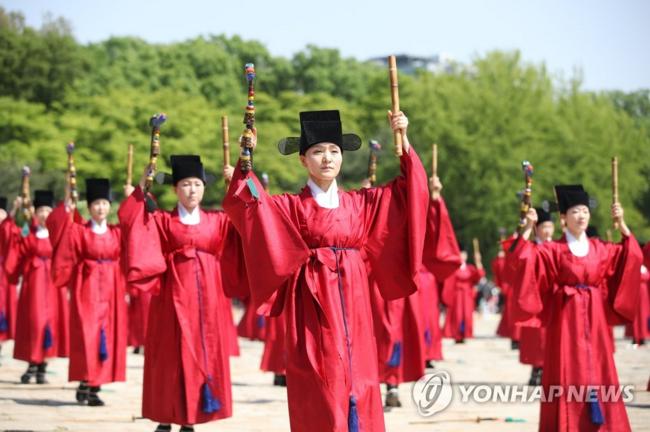
敎以舞蹈 (교이무도)는 무도(舞蹈, 춤과 몸짓)로써 가르치는 것을 의미한다.고대의 교육에서 '무(舞)'는 단순한 유흥이 아니라 예법과 음악(예악)을 몸으로 익히는 핵심 수양이었다. 체력과 절도, 조화를 배우는 신체 교육을 의미한다.敎以中和 (교이중화이란 중화(中和, 치우침이 없고 조화로운 마음)로써 가르치는 것을 의미 한다. 이때 희로애락의 감정이 드러나지 않은 중심을 '중(中)'이라 하고, 감정이 드러나되 모두 절도에 맞는 것'화(和)'이다. 즉, 감정을 다스려 내면의 평화를 유지하는 인성·마음 수양을 의미 한다.敎以孝弟 (교이효제)는효제(孝弟, 효도와 우애)로써 가르치는 것을 의미 한다.부모에게 효도하고(孝) 형제자매간에 우애 있게 지내는(弟/悌) 실천적 도덕을 의미하는데 ,유교에서 모든 인간 행동과 인(仁)의 근본으로 삼는 가장 기초적이고 중요한 윤리적 덕목이다.
Gyo-i-mu-do (敎以舞蹈) refers to teaching through dance and gestures. In ancient education, dance was not just entertainment, but an essential practice of self-cultivation, used to embody etiquette and music through the body.
It refers to a form of physical education that cultivates strength, discipline, and harmony. Gyo-i-jung-hwa (敎以中和) signifies teaching through Jung-hwa (中和, a balanced and harmonious mind). In this context, Jung (中) denotes the inner center where emotions such as joy, anger, sorrow, and pleasure remain unexpressed, while Hwa (和) represents the expression of emotions, yet always in moderation.
In other words, it signifies cultivating character and mind to preserve inner peace through emotional control. Gyo-i-hyo-je (敎以孝弟) signifies teaching through Hyo-je (孝弟, filial piety and fraternity). It denotes practical morality, expressed through filial piety toward parents (孝) and fraternity among siblings (弟/悌). This is regarded in Confucianism as the most fundamental ethical virtue, forming the foundation of all human conduct and benevolence (仁).




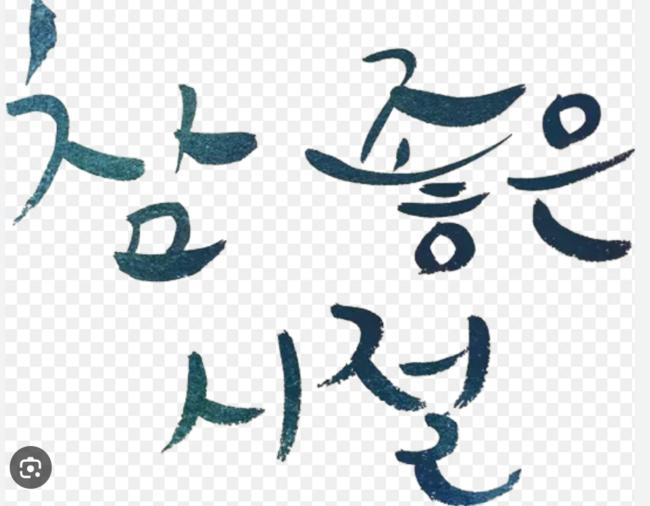 참 좋은 시절이었지!
 이 땅의 西洋化勢力이 逆說的으로 枯死시키는 西洋學問
 2학년부터 연구실로!
 2026.7.6 《존재의 성향과 공동체의 책임에 대하여》
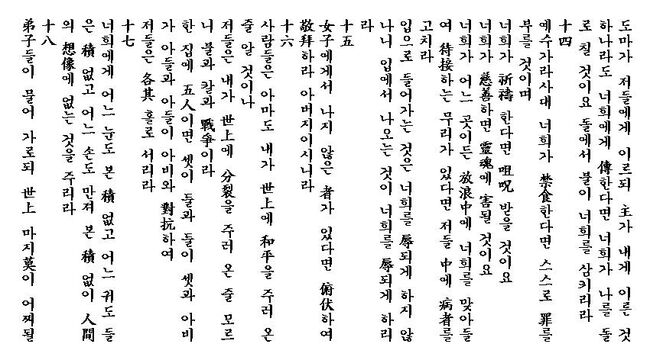 도마복음 해설강의 [4]
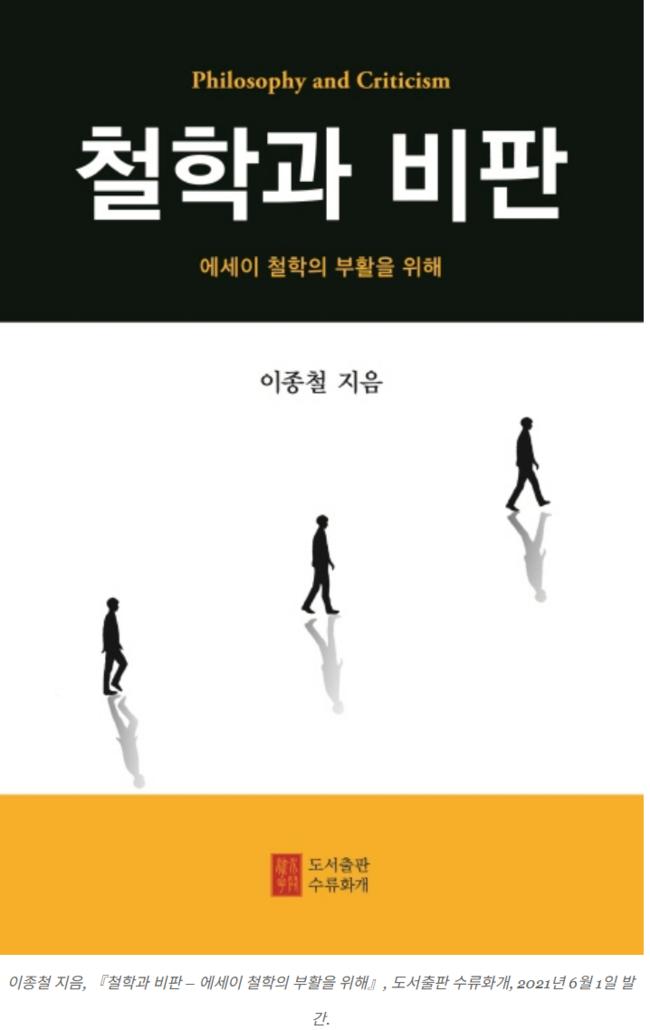 새로운 철학적 글쓰기를 향한 거침없는 도전?
 목록
목록